
Categories
Home Building TipsPublished June 24, 2026
Mold in Indiana Homes: What Every Homeowner Needs to Know

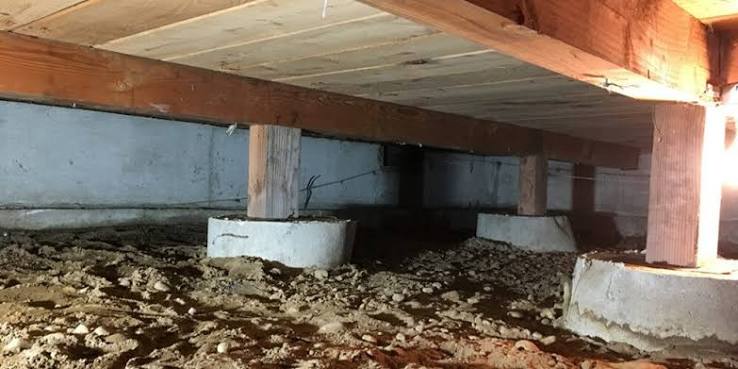
Living in Indiana means experiencing all four seasons—and while that gives us beautiful springs, warm summers, colorful falls, and snowy winters, it also creates ideal conditions for moisture-related issues in homes. One of the most common concerns we see during home inspections throughout Greater Lafayette and surrounding communities is mold.
The good news? Mold doesn't automatically mean a home has a major problem. Understanding why mold occurs, when it is most likely to develop, and how to prevent it can help protect both your home and your investment.
Why Mold Is Common in Indiana
Mold requires three things to grow:
- Moisture
- Organic material (wood, drywall, insulation, carpet, etc.)
- Time
Indiana's climate provides plenty of opportunities for excess moisture. Between spring rains, humid summers, fall temperature swings, and winter condensation, homeowners need to remain vigilant year-round.
Many homes in Tippecanoe County and throughout Central Indiana have basements, crawl spaces, or attics—all areas where moisture can accumulate if not properly maintained.
Indiana Mold Risks by Season
Spring: Water Intrusion Season
Spring is often when mold problems begin.
Heavy rains, saturated soil, snowmelt, and fluctuating temperatures can lead to:
- Basement seepage
- Foundation moisture
- Crawl space humidity
- Roof leaks from winter damage
- Overflowing gutters
At The Cary Team, we often see spring inspections uncover moisture issues that homeowners didn't know existed after a long Indiana winter.
Spring Prevention Tips:
- Clean gutters and downspouts
- Confirm water drains away from the foundation
- Check basement walls for dampness
- Inspect crawl spaces
- Repair winter roof damage promptly
Summer: High Humidity Creates Ideal Conditions
Indiana summers bring heat and humidity, which can create perfect conditions for mold growth.
Common summer concerns include:
- Condensation around HVAC systems
- Humid basements
- Poorly ventilated bathrooms
- Attic moisture buildup
- Crawl space humidity
Many homeowners are surprised to learn that mold can develop even without a leak. High humidity alone can create enough moisture for mold to grow.
Summer Prevention Tips:
- Keep indoor humidity below 50%
- Use dehumidifiers in basements
- Run bathroom exhaust fans
- Service HVAC systems regularly
- Replace HVAC filters as recommended
Fall: The Transition Season
Fall is often overlooked, but it's an important time for mold prevention.
As temperatures cool, homeowners begin closing windows and spending more time indoors. Moisture that accumulated during summer can become trapped.
Common fall concerns include:
- Leaf-clogged gutters
- Reduced ventilation
- Attic condensation
- Chimney and roof maintenance issues
Fall Prevention Tips:
- Clean gutters after leaves drop
- Schedule HVAC maintenance
- Check attic ventilation
- Inspect roof flashing and penetrations
- Winterize crawl spaces and exterior drainage systems
Winter: Condensation Problems
Many Indiana homeowners assume mold isn't a concern during winter. In reality, winter often creates hidden moisture issues.
Warm indoor air meeting cold surfaces can cause condensation on:
- Windows
- Exterior walls
- Attic surfaces
- Pipes
- HVAC ductwork
We frequently see mold discovered in attics during winter inspections due to poor ventilation and condensation buildup.
Winter Prevention Tips:
- Monitor indoor humidity levels
- Vent bathroom fans outdoors
- Ensure attic ventilation is functioning properly
- Insulate exposed pipes
- Address window condensation quickly
Common Places Mold Is Found During Home Inspections
During inspections across Lafayette, West Lafayette, Battle Ground, and surrounding communities, mold is most often found in:
Basements
Water intrusion, foundation seepage, and humidity make basements a common location.
Crawl Spaces
Poor ventilation and ground moisture can create ideal conditions.
Attics
Improper ventilation often leads to condensation and mold growth.
Bathrooms
Steam and moisture accumulation frequently contribute to mold.
Around Windows
Condensation and failed seals can create localized mold issues.
Laundry Areas
Dryer vent issues and elevated humidity levels can contribute to growth.
What Happens If Mold Is Found During a Real Estate Transaction?
One of the biggest misconceptions we hear is that mold automatically kills a real estate deal.
In most cases, that's simply not true.
When mold is discovered:
- The source of moisture should be identified.
- The extent of the issue should be evaluated.
- Professional remediation may be recommended.
- Documentation should be retained.
Many mold-related concerns are successfully resolved before closing.
At The Cary Team, we help buyers and sellers navigate these situations by focusing on facts, proper inspections, and practical solutions rather than fear.
When Should You Call a Professional?
Consider consulting a professional if:
- Mold covers a large area
- You notice recurring growth
- Water damage is present
- There is a strong musty odor
- Mold appears inside HVAC systems
- Occupants experience health concerns
Professional remediation companies can identify moisture sources and recommend appropriate corrective actions.
Protecting Your Home's Value
The best way to prevent mold is to prevent moisture.
Routine maintenance remains one of the most important investments homeowners can make.
Simple actions like:
- Cleaning gutters
- Monitoring humidity levels
- Repairing leaks promptly
- Maintaining HVAC systems
- Improving drainage
can significantly reduce the likelihood of mold issues developing.
Final Thoughts
Mold is not uncommon in Indiana homes. Our seasonal weather patterns create conditions that can allow moisture to accumulate throughout the year. Fortunately, most mold issues are manageable when identified early and addressed properly.
Whether you're preparing to sell, considering a purchase, or simply maintaining your current home, understanding moisture management is one of the best ways to protect your investment.
If you have questions about mold concerns, home inspections, or preparing your home for the market, The Cary Team is always happy to help connect you with trusted local professionals and provide guidance based on years of experience helping buyers and sellers throughout Greater Lafayette.

Ken Cary
Team Lead | Cary Team Realty | Keller Williams Realty Group | PLACE
or another way